
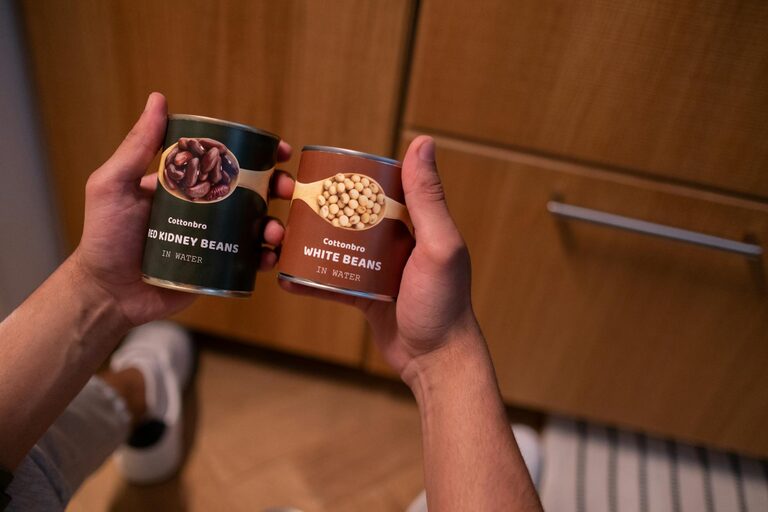
Planning meals from pantry staples is a smart and cost-effective way to ensure you always have something delicious and nutritious to eat. Whether you’re busy, want to save money, or reduce food waste, using the ingredients you already have on hand can simplify your cooking routine. This guide will walk you through how to identify pantry essentials, plan versatile meals around them, and get creative without extra trips to the grocery store.
What Are Pantry Staples?
Pantry staples are non-perishable foods you keep stocked to create meals anytime. They usually have a long shelf life and serve as a base for many different recipes. Common pantry staples include:
– Dry grains (rice, pasta, quinoa, oats)
– Canned goods (beans, tomatoes, vegetables, broth)
– Baking essentials (flour, sugar, baking powder, salt)
– Oils and vinegars
– Spices and dried herbs
– Nuts and seeds
– Shelf-stable dairy alternatives or powdered milk
Having a well-rounded pantry means you can whip up a meal without needing fresh ingredients every time.
Step 1: Take Stock of Your Pantry
Before you start planning meals, take a few minutes to inventory what you have. This helps prevent buying duplicates and sparks ideas for new recipes. Look for:
– Expiring items
– Common base ingredients like rice or pasta
– Protein sources such as canned beans or nuts
– Flavor enhancers including spices and condiments
You can jot items down or use an app to track pantry supplies digitally.
Step 2: Identify Flexible Meal Bases
With a clear list in hand, think about categories of meals you can build around staples:
– Grain Bowls: Start with rice, quinoa, or pasta, add cooked or canned beans, vegetables (fresh or canned), and a sauce.
– Soups and Stews: Use broth, canned tomatoes, dried beans or lentils, and spices for a hearty meal.
– Stir-Fries and Sautés: Oil, canned vegetables, grains, and seasoning can be combined quickly.
– Baked Goods: Pancakes, simple breads, or muffins can boost meals or snacks using flour and baking essentials.
– Salads: Combine beans, canned veggies, nuts, and grains for filling salads.
By focusing on versatile base ingredients, you can mix and match flavors and textures.
Step 3: Plan Meals Around What You Have
Here are some meal ideas using common pantry staples:
1. Chickpea Curry with Rice
– Sauté canned chickpeas with onions and garlic (if available), add canned tomatoes, curry powder, and coconut milk or broth. Serve over cooked rice.
2. Pasta with Tomato Sauce and Beans
– Cook pasta, heat canned tomato sauce, stir in beans for protein, and season with dried herbs and garlic powder.
3. Lentil Soup
– Combine dried or canned lentils with broth, canned vegetables, and spices for a warming soup that can last several meals.
4. Oatmeal with Nuts and Honey
– For breakfast, cook oats with water or powdered milk, top with nuts and a drizzle of honey or dried fruit.
5. Rice and Bean Salad
– Mix cooked rice with canned beans, frozen or canned corn, chopped nuts or seeds, and a simple vinaigrette made from oil and vinegar.
Step 4: Use Spices and Herbs to Elevate Flavors
One of the joys of pantry cooking is playing with spices. Stock common ones like:
– Black pepper and salt
– Cumin and paprika
– Chili powder or flakes
– Italian seasoning or dried basil and oregano
– Cinnamon for sweet and savory dishes
Experiment with different combinations to avoid food boredom. For example, cumin and paprika work well in stews, while cinnamon and nutmeg enhance baked goods.
Step 5: Supplement Your Pantry if Needed
If you find your pantry lacks variety, slowly build it by adding:
– A few key canned vegetables (corn, green beans)
– Dried or canned lentils
– Versatile sauces (soy sauce, hot sauce)
– A variety of spices
– Shelf-stable grains and pasta varieties
Buying items in bulk or on sale helps stretch your budget.
Tips for Successful Meal Planning from the Pantry
– Mix fresh and pantry: Use fresh produce when you have it to add vitamins and texture.
– Batch cook: Prepare large portions of staple dishes and store leftovers for quick meals.
– Label containers: When opening bulk items or repackaging, label with dates to avoid forgetting ingredients.
– Keep a running list: Note what you use regularly and when supplies run low.
– Be creative: Combine ingredients in new ways, such as turning leftover soup into a sauce for pasta.
Conclusion
Meal planning from pantry staples can be both easy and rewarding. By organizing what you have on hand, focusing on flexible meal bases, and experimenting with spices and combinations, you’ll reduce food waste and keep your meals exciting. The next time you open your pantry, you might be surprised at the tasty possibilities that await!
Happy cooking!