
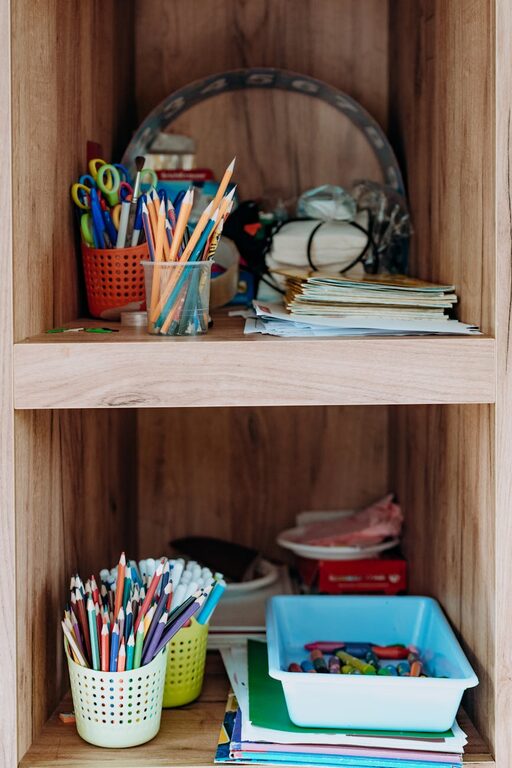
Keeping your kids’ artwork organized can be a delightful way to celebrate their creativity while keeping your home tidy. Children love to create, and their art often piles up quickly. Without a system, precious drawings and crafts can become clutter that’s hard to manage. Fortunately, with a few thoughtful strategies, you can keep their masterpieces organized, easy to find, and beautifully displayed.
Why Organizing Kids’ Art Matters
Children’s artwork is not just paper and paint; it’s a record of their development, imagination, and personality. Organizing these creations helps:
– Preserve memories for years to come
– Reduce clutter and stress at home
– Encourage kids’ pride and motivation
– Create a sense of accomplishment and routine
With these benefits in mind, let’s explore practical tips for managing and enjoying your kids’ art collection.
1. Create a Designated Art Space
Designating a specific area at home for art activities can help contain the materials and finished pieces. Consider:
– A small table or desk in a corner of a room
– Storage bins or shelves nearby for supplies
– A wall or bulletin board close to display recent artwork
By having a consistent spot, children learn to appreciate their creative area, and cleanup becomes easier.
2. Use Display Solutions to Celebrate Artwork
Showcasing art encourages kids and makes them feel valued. Here are some ideas:
– Rotating Gallery Wall: Use frames with easy-open backs or clipboards for quick art swaps.
– String and Clips: Hang a string or wire along a wall and attach artwork with clothespins.
– Corkboards or Magnet Boards: Pin or magnet their latest creations for an organized, changeable display.
Rotate displayed pieces regularly to keep the area fresh and prevent overcrowding.
3. Sort and Declutter Regularly
Sort artwork frequently to avoid piles that can overwhelm. Involve your child in this process by:
– Asking which pieces they want to keep
– Discussing what memories or stories they associate with each item
– Deciding together which items to recycle or gift to family
This teaches decision-making and helps preserve the most meaningful pieces.
4. Use Storage Solutions for Keeping Art Organized
Once you have chosen which artworks to keep, proper storage is key. Consider these:
– Portfolios: Large, flat art portfolios allow for easy storage of drawings and paintings.
– Art Binders: Use plastic sleeves in binders for smaller or flat artworks. Label by date or child.
– Storage Boxes: Designate plastic bins or decorative boxes for 3D crafts, like clay models or collages.
– Digital Storage: Photograph or scan artwork and save it digitally for an uncluttered keepsake. Apps designed for organizing kids’ art work well here.
Labeling each container or file helps with quick access.
5. Repurpose Art for Practical Use
Transforming kids’ creations into useful items is a fun way to cherish their efforts:
– Turn drawings into personalized greeting cards or gift wrap.
– Use artwork as covers for homemade notebooks and journals.
– Make calendars featuring scanned paintings or drawings.
– Create photo books of digitized art for yearly keepsakes.
These ideas reduce physical clutter while preserving memories in creative ways.
6. Set Limits and Create Routines
Setting clear limits helps maintain order. Some pointers include:
– Decide on a fixed amount of storage space per child
– Encourage children to add new artwork only by removing or storing older pieces
– Make organizing part of a weekly or monthly family routine
Routines build good habits and keep the art collection manageable.
7. Encourage Sharing and Gifting
Sharing kids’ art with loved ones is a wonderful way to spread joy and keep clutter down. Suggest:
– Sending artwork to grandparents and relatives as surprises
– Donating art to local nursing homes or community centers
– Organizing small “art shows” at home where kids can gift their favorite pieces
This extends the value of their creativity beyond the home.
Final Thoughts
Keeping your kids’ art organized doesn’t have to be overwhelming. By setting up dedicated spaces, displaying and rotating work, regularly sorting, and utilizing smart storage solutions, you’ll create an inspiring environment that nurtures creativity and keeps your home orderly. Remember, the goal is to appreciate your children’s artistic efforts while creating lasting memories without the mess.
Try some of these tips today and watch your kids feel proud of their wonderful creations!
—
If you enjoyed these ideas, feel free to share your own tips or stories about organizing kids’ art in the comments below!