
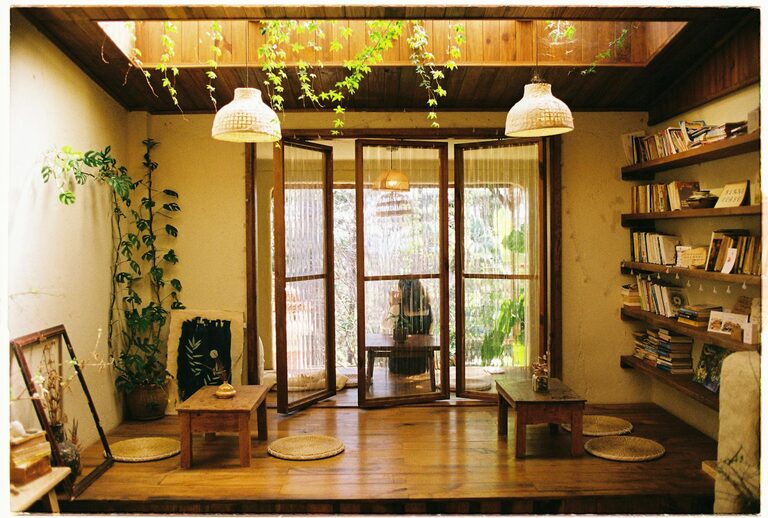
Creating a comfortable home environment involves many elements, and lighting plays a crucial role. The right lighting not only brightens your space but also affects how you feel and function in your home. Choosing comfortable home lighting can transform your rooms into cozy, inviting spaces that match your lifestyle and needs.
In this post, we’ll explore helpful tips for selecting lighting that’s both functional and pleasant, covering everything from bulb types to fixture placement.
Why Comfortable Lighting Matters
Good lighting impacts more than just visibility. It can:
– Improve mood and reduce eye strain
– Highlight décor and room features
– Support daily activities like reading or cooking
– Create a relaxing atmosphere in living spaces
With these benefits in mind, carefully selecting your home lighting promotes comfort and well-being.
Understand Different Types of Lighting
Before diving into tips, it’s useful to know the three main types of lighting to use in your home:
1. Ambient Lighting
This is the general illumination that fills the room, ensuring you can move around safely. Examples include ceiling lights, chandeliers, and recessed lighting.
2. Task Lighting
Focused lighting that helps with specific activities such as reading, cooking, or working. Desk lamps, under-cabinet lights, and vanity lights fit this category.
3. Accent Lighting
Used to highlight architectural details, artwork, or plants. Think wall sconces, track lights, or small spotlights.
Combining these layers results in a balanced and comfortable lighting scheme.
Tips for Choosing Comfortable Home Lighting
1. Choose the Right Bulbs
The type of bulb affects color, brightness, and energy use. Consider the following:
– Color Temperature: Measured in Kelvins (K), it ranges from warm (2700K–3000K) to cool (4000K–6500K). Warm light creates a cozy atmosphere, while cool light offers a crisp, alert environment.
– Brightness: Look for lumens rather than watts. More lumens mean brighter light. Bedrooms may need less brightness than kitchens.
– Energy Efficiency: LED bulbs are long-lasting and efficient compared to incandescent or fluorescent options.
2. Adjust Brightness with Dimmers
Dimmers give you control over light levels, allowing you to create mood lighting or brighten rooms as needed. Installing dimmer switches in living rooms, dining areas, and bedrooms adds versatility.
3. Consider Fixture Styles and Placement
Lighting fixtures influence style and function. Keep these tips in mind:
– Place ambient lighting high and evenly distributed to avoid shadows.
– Use task lighting close to work areas like desks or kitchen counters.
– Position accent lighting to avoid glare and highlight focal points.
4. Layer Your Lighting
Combine ambient, task, and accent lights for flexibility. For example, in a living room, use a ceiling light for general use, a floor lamp beside a chair for reading, and wall sconces to highlight artwork.
5. Match Lighting to Room Purpose
Think about how you use each room:
– Living Room: Opt for warm, adjustable lighting to create a relaxing space.
– Kitchen: Use bright, cool task lighting for cooking areas, complemented by ambient lights.
– Bedroom: Soft, warm light helps you wind down before sleep.
– Bathroom: Clear, bright lighting near mirrors improves visibility for grooming.
6. Avoid Harsh Glare and Shadows
Lighting should be glare-free to be comfortable. Choose fixtures with diffusers or shades to soften light. Avoid placing lights directly in your line of sight.
7. Use Natural Light When Possible
Maximize daylight by keeping window areas clear and using light curtains. Natural light boosts mood and reduces the need for artificial lighting during the day.
8. Opt for Smart Lighting Solutions
Smart bulbs and systems can adjust brightness and color temperature through apps or voice commands, making it easy to adapt lighting for different times and activities.
Final Thoughts
Choosing comfortable home lighting is about balancing function, style, and mood. By understanding your lighting needs and using layers, you can create warm, inviting spaces that support your daily routines. Remember to experiment with bulbs, fixtures, and placement until you find what feels best for you and your home.
Happy lighting!